How dangerous is measles? A doctor explains the serious complications and immune damage parents need to know- Motherly
With measles cases rising across the U.S., most parents know the basics: it’s highly contagious, it causes a rash, and vaccination prevents it. But what many don’t realize is that measles does something uniquely dangerous to a child’s immune system—something that can leave them vulnerable to other infections long after the rash fades.
To understand what’s really at stake when a child contracts measles, we spoke with Dr. Sandra Adamson Fryhofer, a trustee of the American Medical Association, about the serious complications parents should know about.
How dangerous is measles–and why measles is more than “just a rash”
You may have heard measles described as a routine childhood illness, but Dr. Fryhofer notes that the way this virus operates is anything but routine.
“Measles is more than a rash,” she explains. “It is an extremely contagious, airborne virus that can cause severe health complications, particularly for babies and young children—including pneumonia, brain swelling, blindness, and even death.”
The statistics from the CDC paint a stark picture: about 1 out of 5 unvaccinated people who get measles will be hospitalized. As many as 1 out of every 20 children with measles will develop pneumonia—the most common cause of death from measles in young children. About 1 out of every 1,000 people with measles will develop brain swelling, which may lead to convulsions. And nearly 1 to 3 out of every 1,000 children who become infected will die from complications.
These aren’t rare, freak occurrences. They’re documented risks that happen with enough frequency that every parent should understand them.
What measles actually does to your child’s body
Understanding how measles progresses can help parents recognize it early. That said, the virus is contagious before you’d ever suspect your child is sick.
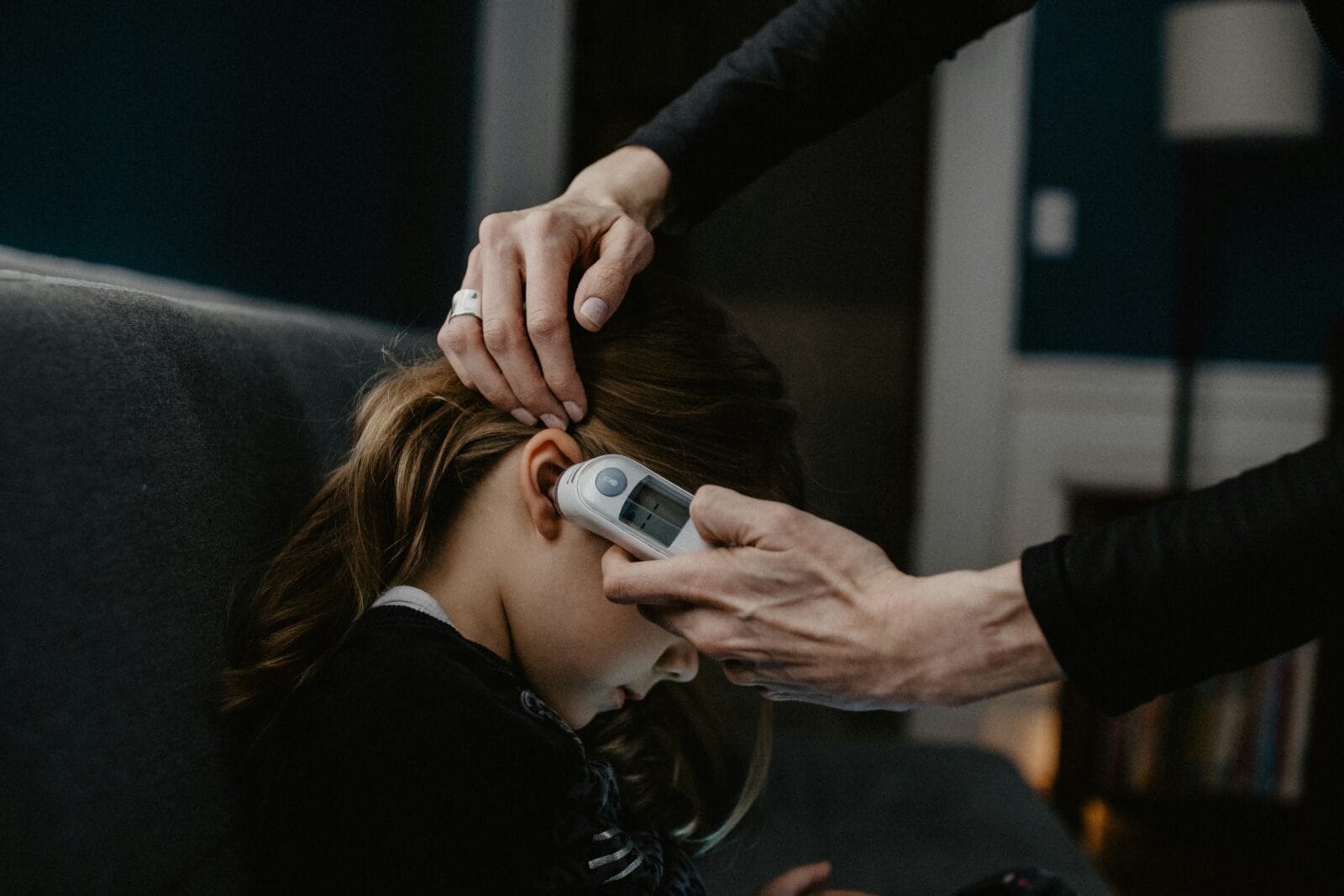
“Measles is caused by a virus that first infects the respiratory tract and then spreads throughout the body,” Dr. Fryhofer explains. “The early symptoms of measles include a high fever (may spike to more than 104°F), malaise, cough, runny nose, and red and/or watery eyes. Your child can also get Koplik spots, small white spots on the inside of the cheeks. These symptoms generally begin 10 to 14 days after being exposed to an infected person.”
About 14 days after exposure, the characteristic rash appears. “A macular rash appears—which typically starts around the hairline, spreading to the face, neck and down the body including the hands and feet. The rash lasts 5 to 6 days before fading,” she says.
Here’s the part that makes measles so dangerous in communities: “Patients are contagious from 4 days before to 4 days after the rash appears,” according to Fryhofer. An infected child could be spreading measles to babies, pregnant women, and immunocompromised people before parents even know they’re infected.
The hidden threat: immune amnesia
This is where measles becomes particularly insidious—and it’s something many parents may have never heard about.
“Measles doesn’t just cause a short-term viral illness—it can damage a child’s immune system for months to years after the infection is over,” Dr. Fryhofer explains. “The measles virus infects and destroys many of the important memory cells that help recognize previous infections and help fight new illnesses. Because immune memory is wiped out, children are more likely to get sick from bacteria and viruses they had already been exposed to or vaccinated against.”
In other words, if your child had chickenpox as a baby, or was vaccinated against certain diseases, measles can essentially make their immune system forget that protection ever existed. This can leave them more vulnerable to illness for years after a measles infection.
“Studies show this can last up to 2 to 3 years, which is why measles outbreaks often lead to later spikes in other infections,” she continues. “Because the body ‘forgets’ how to fight bacteria and viruses, children recovering from measles can become sick with pneumonia or ear infections more easily.”
Complications that require emergency care
Because there’s no antiviral treatment for measles, parents need to know when to seek immediate medical help if a child does contract measles.
“It is important to keep your child hydrated to replace fluids lost during diarrhea and vomiting [during a measles infection],” Dr. Fryhofer advises. “Pay close attention to your child’s condition as symptoms can become worse and complications can develop during the course of illness.”
Dr. Fryhofer says to seek immediate care if your child shows any of these warning signs:
- Having a hard time breathing or breathing faster or slower than normal
- Showing signs of severe dehydration (dry nose and mouth, urinating less than usual)
- Confusion
- Decreased alertness
- Changes in behavior
For very young children, additional red flags include: crying without making tears, decreased or lack of wet diapers, acting fussier than normal, low energy, loss of appetite, or looking blue around the mouth.
“For infection prevention and control, children with measles should be isolated from others until 4 days after the rash appears, or longer if they are taking immunosuppressants,” she adds.
Prevention vs. treatment is key
Given that there’s no treatment for measles and the complications can be so severe, prevention through vaccination becomes critical.
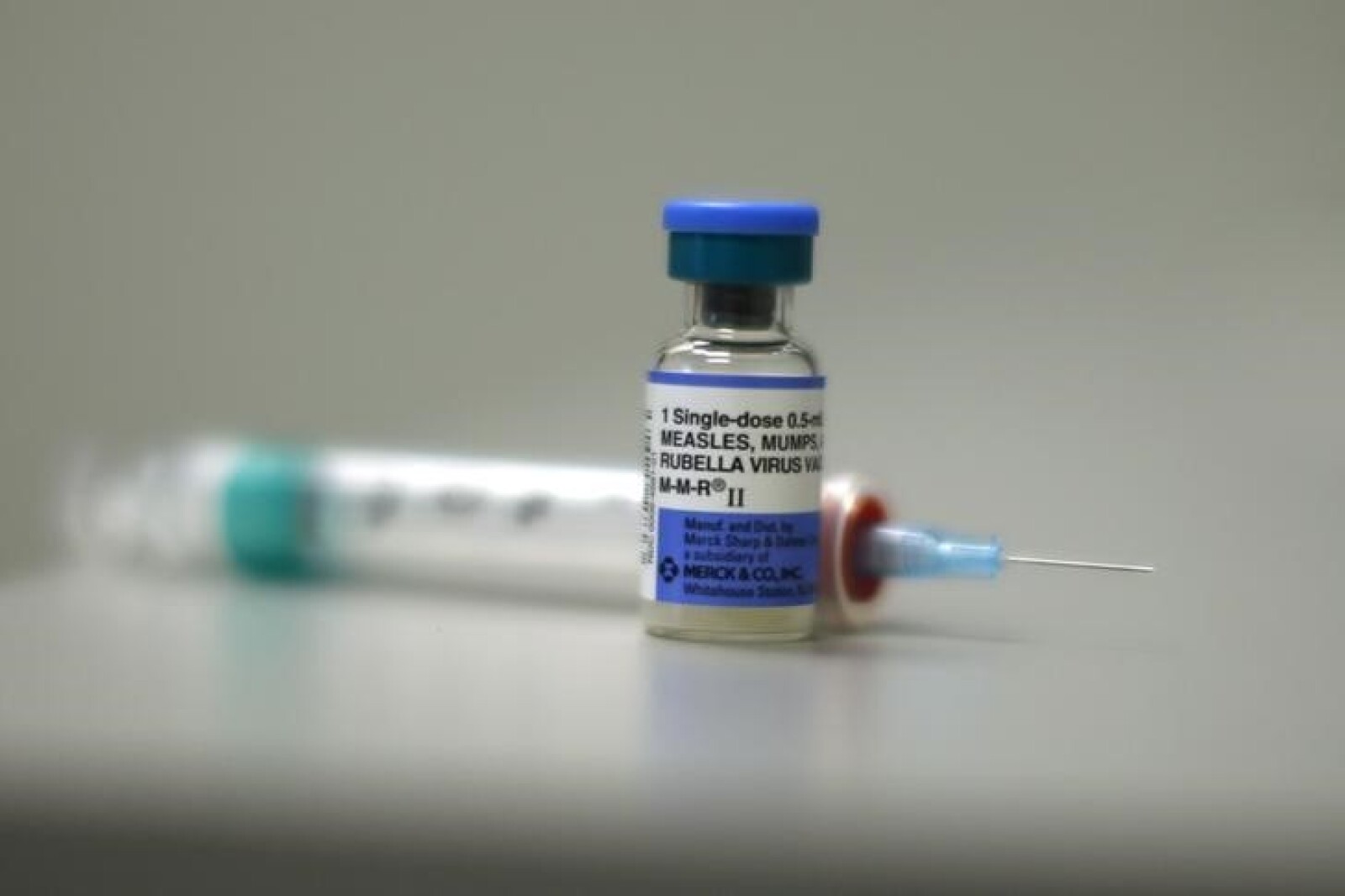
“The MMR vaccine is the best way to prevent children and adults from getting sick with measles, mumps, and rubella and spreading these diseases to other people,” says Dr. Fryhofer. “We have no treatment for these infections, so vaccination is our best defense against these viruses. Nearly everyone who does not get the MMR vaccine will get sick if they are exposed to measles, mumps or rubella.”
The vaccine is highly effective: two doses of MMR vaccine are about 97% effective at preventing measles, according to the CDC.
Dr. Fryhofer notes that a decrease in measles vaccination rates has caused a recent surge in cases across the US. “The MMR vaccine has protected our communities for decades, yet vaccination rates have dropped in recent years. That decline is driving the surge in measles cases we’re seeing today, resulting in hospitalizations and tragically the first deaths we’ve seen in many years—overwhelmingly among people who were not vaccinated.”
If your family isn’t vaccinated
“Measles cases are on the rise across the country and unvaccinated children and adults are at high risk of getting sick with measles. Now is the time to make sure you and your family are vaccinated,” Dr. Fryhofer notes. “We urge you to talk with your doctor and make sure your family is protected. There is no treatment for measles, but vaccination protects you, your loved ones, and people who are too young or medically unable to be vaccinated.”
According to the CDC, approximately 286,000 kindergartners during the 2024-25 school year are attending school without documentation of completing the MMR vaccine.
“A decline in vaccination rates is driving today’s measles outbreaks, hospitalizations, and the first deaths the U.S. has had in many years—which are largely among people who were not vaccinated,” Dr. Fryhofer explains. “When immunization rates are high, people who cannot be protected directly by vaccines are protected because they are not exposed to the virus.”
The bottom line for worried parents
Dr. Fryhofer understands parental anxiety—whether it’s about measles itself or about vaccination decisions.
“As parents, our instinct is to do everything we can to keep our children safe. In the case of measles–a highly contagious disease that can cause severe health complications–that means getting your children vaccinated today,” she says.
Today, the CDC continues to recommend the MMR vaccine for all children under its most recently updated childhood immunization guidelines.
Before measles vaccination began in the 1960s, an estimated 3 to 4 million people in the United States were infected each year, according to research cited by the AMA. The vaccine changed that trajectory completely.
“We have a vaccine that’s been used for decades to prevent measles and eliminated its transmission in the U.S. for the last 25 years,” says Dr. Fryhofer. “We are concerned that continued spread of measles will needlessly cause more children to become sick, be hospitalized, or even die, and leave many at risk for lifelong complications from a disease that is easily preventable with a vaccine.”
“The MMR vaccine is our best defense to keep your children protected from diseases that can have very serious health consequences. Two doses of MMR vaccine are about 97% effective at preventing measles. I encourage you to speak with your doctor about any questions you have and urge you to get your family and children vaccinated to protect yourself, your loved ones, and your community from measles.”
link