Flu cases rise ‘exponentially’ in Michigan, with kids on ventilators


Subclade K ‘super flu’ surging. What to know
A new strain of influenza, Subclade K, is surging across the U.S. Learn about its symptoms and how to protect yourself.
- Hospital admissions from influenza in Michigan are up 40% this year when compared with the same time last year, according to the Michigan Department of Health and Human Services.
- Flu cases are rising “exponentially” in Michigan, and health leaders say it isn’t too late to get a flu shot to protect yourself and your loved ones.
Influenza cases continue to increase “exponentially” in Michigan and pediatric hospitals are seeing a “massive influx” in their intensive care units, as children who struggle to breathe need ventilator support, the state’s chief medical executive said.
Hospital capacity statewide is “getting a little tight with that influx of influenza cases, but they are still managing and still able to take care of all of the other needs from patients in the state of Michigan at this time,” said Dr. Natasha Bagdasarian during a Wednesday, Jan. 7, news conference.
“We’re going to keep an eye on this,” she said.
Both adult and pediatric hospitalizations from flu are up 40% this year compared with the same time last year, said Ryan Malosh, the director of the division of immunizations for the Michigan Department of Health and Human Services.
“This flu season … is hitting earlier and is worryingly severe,” he said.
The U.S. Centers for Disease Control and Prevention’s latest influenza surveillance report shows Michigan as among the states with the highest level of flu-like illness activity.
Dr. Aarti Raheja, a pediatrician at the University of Michigan Health and co-chair of the Michigan Medicine Immunization Committee, said the region is seeing “a ton” of both influenza A and influenza B cases.
“Flu is not a mild illness for many children,” Raheja said. “Every year, children become seriously ill from flu complications that really could have been prevented by vaccination. Some of these children require intensive care, and many children and adolescents who die from the flu were not vaccinated.
“We had 14 children that unfortunately passed away in our state from influenza last year, which was a record. I’m really concerned with the intensity of this flu season and low vaccine rates, that number may go up. Vaccination is really the most powerful tool we had to prevent severe illness, hospitalization and death from the flu. It’s not too late at all to get vaccinated to protect your family.”
So far this flu season, the CDC has reported eight pediatric deaths nationally. None of those children were from Michigan.
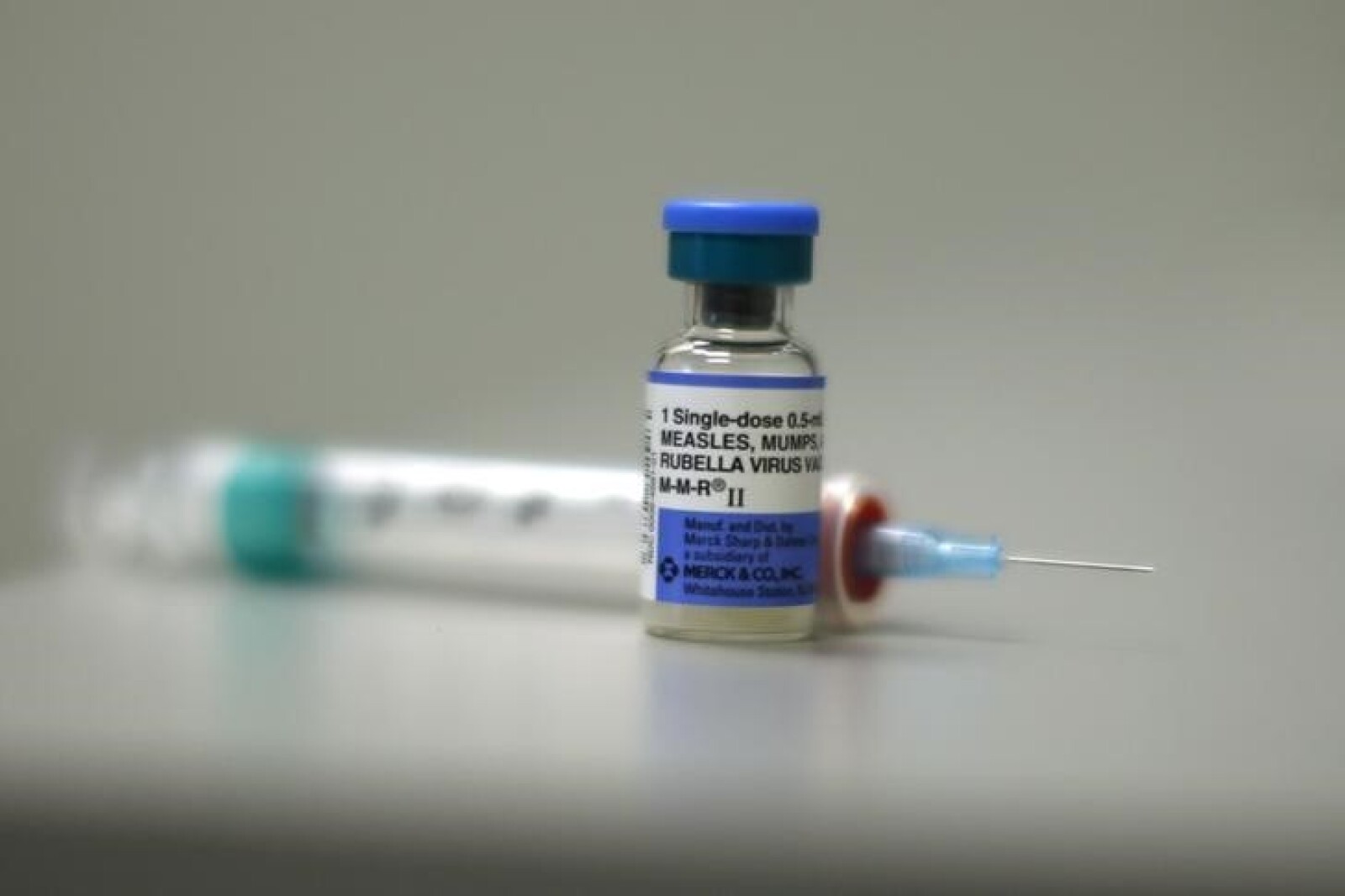
Bagdasarian said the flu vaccine remains the best way to prevent severe illness, hospitalization and death from flu. However, she added: “A vaccine is only as effective as the number of people using it.
“When we look statewide at … the number of folks who are getting the flu vaccine this year, that number’s gone down every year since 2020. And only 24% of the Michigan population has received their flu vaccine, and if we look at the little ones … little kids, it’s much lower than that.”
Just 18% of Michigan kids have so far gotten an annual flu shot this season, she said.
Among those who have been hospitalized with the flu this season, “we don’t have real-time data on how many of those individuals are immunized or not immunized,” Bagdasarian said. “But what I’m hearing anecdotally is that many of those hospitalizations are taking place in folks who are not immunized.”
The current surge in influenza cases is likely just the beginning of the rise in vaccine-preventable diseases in the state and country, she said, as the CDC abruptly changed the childhood immunization schedule earlier this week and now no longer routinely recommends the flu vaccines or immunizations that protect children from rotavirus, meningococcal disease and hepatitis A.
The decision came Jan. 5, after President Donald Trump called for reducing the number of vaccines in children’s schedules. Health Secretary Robert F. Kennedy Jr. said the decision to remove the vaccines from the federally recommended childhood immunization schedule aligns U.S. policy with that of some other developed nations.
The CDC now says there should be “shared decision-making” between parents and health care providers about those four vaccines.
Bagdasarian said the position has led to confusion about vaccines and a loss of trust in immunizations and in public health that could continue to drive higher rates of infection from vaccine-preventable diseases.
“In the United States last year, we saw over 2,000 cases of measles,” she said. “This is the worst recorded year for measles since 1992, both in terms of numbers of cases, and in terms of numbers of deaths. We saw three deaths related to measles last year.
“We are also seeing a resurgence in pertussis. We’re seeing those numbers go up across the country, but also here in Michigan. … These are real diseases that we are seeing the consequences of in clinics and outpatient settings, and in hospitals, and in ICUs and emergency departments. And that’s bad news for all of us.”
She issued a standing recommendation in December urging health care providers in the state to follow the vaccine recommendations and the childhood vaccine schedule put out by the American Academy of Pediatrics and the American Academy of Family Physicians, rather than the CDC.
“I’m seeing this disaster happen in slow motion,” Bagdasarian said. “I don’t know how to better reach parents and how to better tell the story. So, I am hoping that … things don’t need to get really bad before people realize and understand the value of … vaccines.
“Unfortunately, I think we are already seeing the consequences, and those consequences are coming at us, not only in communicable diseases, but in a lot of other areas of public health as well.”
Contact Kristen Shamus: [email protected]. Subscribe to the Detroit Free Press.
link