


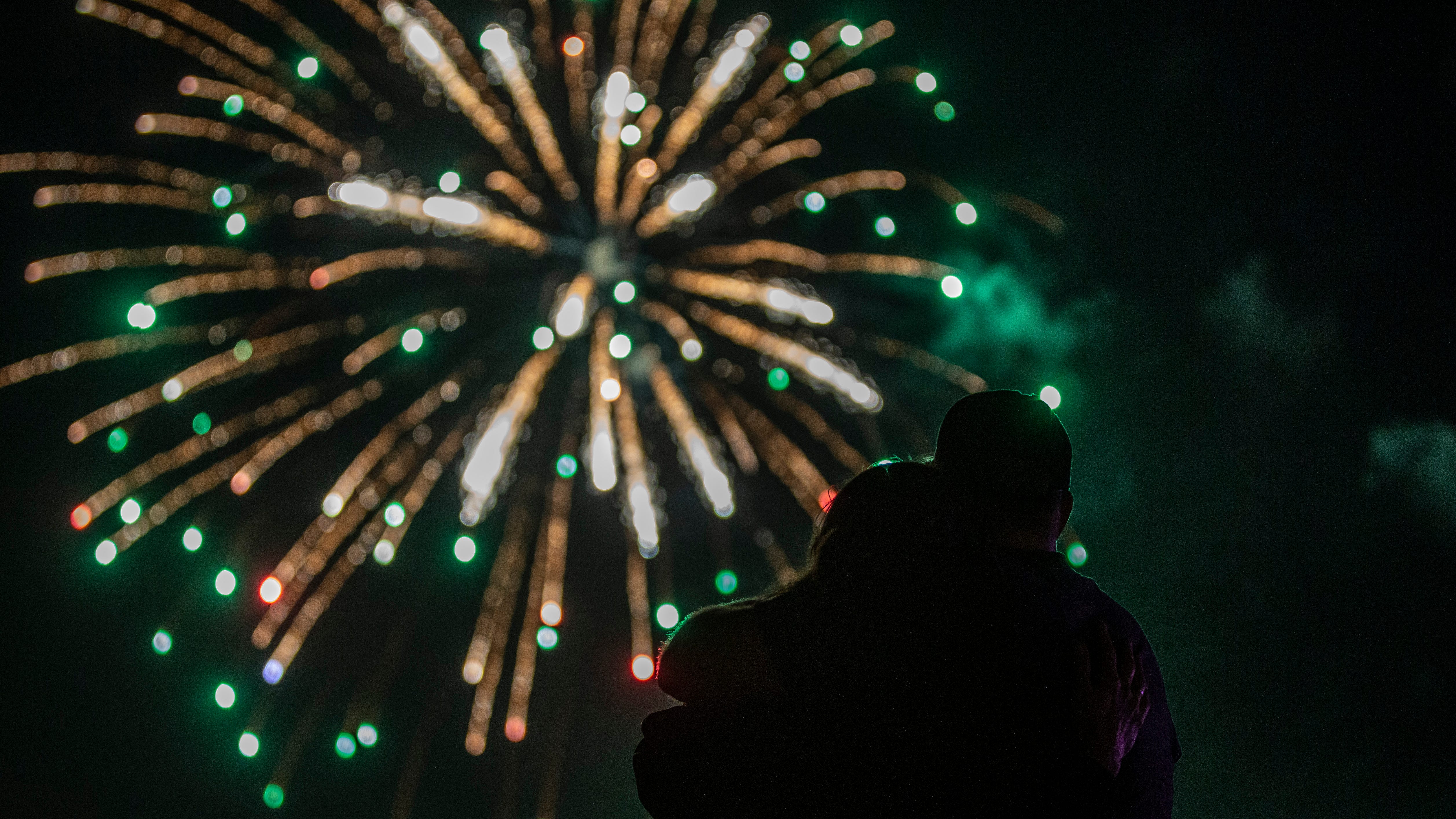


Fireworks safety tips for putting on your own display: Video
George Zambelli of Zambelli Fireworks lays out precautions and safety measures hobbyist fireworks users should practice.
Accuweather.com
- Fireworks injuries to children increased at Vanderbilt Children’s Hospital between 2019 and 2024.
- Common fireworks injuries include burns, abrasions, fractures and eye injuries.
- Sparklers, while seemingly safe, can reach temperatures of 1,800 degrees and cause burns or eye impalement.
- Fireworks are extremely loud and can cause hearing loss in children and adults.
As many Tennessee families prepare to celebrate the holiday weekend, officials at Vanderbilt Children’s Hospital caution about common risks to kids.
The number of children requiring emergency treatment at Monroe Carell Jr. Children’s Hospital at Vanderbilt during the July 4th weekend spiked from two in 2019 to seven last year, and that doesn’t include burns, said Stacey Pecenka, who manages the trauma injury prevention program.
During the past six years, 21 children have been treated in the emergency room for injuries suffered during holiday celebrations, she said.
Some children have been treated at the children’s hospital after hurting themselves during the holiday weekend while jumping on trampolines and off diving boards and boats. One child lost a finger after it was caught in a hinge as she jumped on a slide connected to a boat.
Drivers should be cautious during the busy weekend as car crashes that injure children also are common.
Most of the injuries during the holiday occurred when children lit fireworks while holding them or when they were struck by a lit firework, according to hospital data.
The majority of the injuries involved patients between the ages of 10 and 18, Pecenka said.
Hand and finger injuries are common and include fractures, abrasions, burns and degloving, meaning the skin is peeled back exposing bone. Eye injuries also are common, ranging from debris in the eyes while watching fireworks to impact with a firework that requires surgery.
Sparklers may seem like the safest choice, but not so according to emergency room data.
Children may be tempted to touch the flames, which can reach temperatures of up to 1,800 degrees and some run with them, sometimes leading to eye impalement.
“You see it and think, ‘That’s magical. It’s cute and sweet, but they’re literally holding torches in their hands.”
She suggested handing kids glow sticks instead.
The National Safety Council recommends parents “leave fireworks to the experts.” The NSC states on its website that fireworks cause injuries to adults and children as well as 31,000 fires across the U.S. each year.
Safe Kids Worldwide also advised sticking with public displays, but it also offers five ways to keep kids safe around fireworks.
Fireworks also can cause hearing loss to adults and children.
They typically reach 140 to 175 decibels, louder than a jet engine. That’s not a safe sound level without ear protection, according to the World Health Organization.
Adults are encouraged to move 20 meters, or about 65 feet, or more away from the sound source. Children need to stand up to 60 meters away, or about 196 feet. It’s best for infants, who experience the greatest amount of sound pressure, not to be exposed to fireworks.
Parents can find safety tips for protecting their children’s hearing at HealthyHearing.com.
Reporter Beth Warren covers health care and can be reached at bwarren@tennessean.com.
link